
What Is Sensory Processing?
Sensory Processing has to do with how the nervous system receives, organizes, and responds to sensory input. Here’s an easy explanation.

Hypersensitivity vs Hyposensitivity
Understanding hypersensitivity and hyposensitivity patterns to see why us and others react differently in daily life.

Common Conditions with Sensory Issues
Learn how many people with sensory processing differences experience challenges in everyday life, often alongside certain conditions.

The Behavioral Signs of Sensory Issues
How covering ears, picky eating, avoiding textures, constant movement, or difficulty with transitions have to do with sensory issues.

Autism-Friendly Bras and Where to Get Them
Bra options that are helpful for neurodivergent people, including those with sensory sensitivities or autism-friendly preferences.

Skincare for Neurodivergent Folks: Simple, Gentle, and Doable
Skincare can be a bit tricky because of sensory sensitivities, executive functioning challenges, and differing routines. Here are some tips.

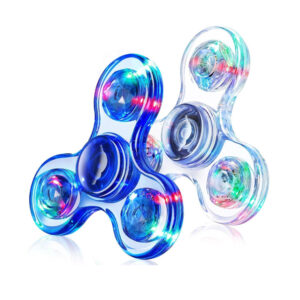
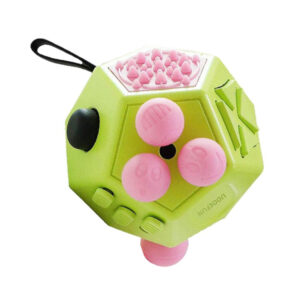
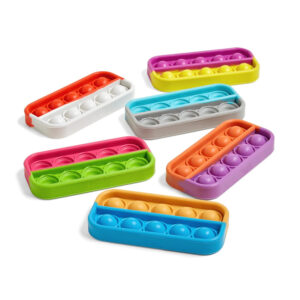
Different Types of Sensory Fidget Toys and Their Advantages
Fidget toys are widely used by children and adults. Here are the most common types of sensory toys and the specific advantages each offers.

Helping Kids with Autism Thrive: The Role of Occupational Therapy
Learn how occupational therapy helps children with autism improve daily skills, manage sensory challenges, and build independence and focus.

Recommended Sensory Toys for Infants (0–12 months)
Learn more about toys that stimulate sight, sound, and touch in gentle ways (like soft rattles, textured teethers, crinkle toys).

Recommended Sensory Toys for Toddlers (1-3 years)
Toddlers (ages 1–3) are at a fascinating stage: they are more mobile, curious, and eager to explore their environment than ever before.

Recommended Sensory Toys for Preschoolers (3-6 years old)
Learn how sensory toys in playtime can significantly benefit preschoolers by supporting their sensory, motor, and emotional development.

Sensory DIY Spotlight: Noise-Free Zone – Create a Simple Quiet Corner
A quiet corner is a small, cozy space set aside for calm and regulation. Here are some ideas to create your own noise-free zone at home.
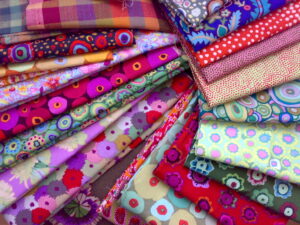
Sensory DIY Spotlight: Build a Sensory Swatch Book
Different textures can either calm, stimulate, or help us refocus when our senses feel a little overloaded. Here are some DIY ideas.

Sensory DIY Spotlight: Weighted Lap Pad with Household Items
You don’t need sewing skills or supplies to make your own weighted blanket—just a pillowcase, beans/rice, and something to keep it secure.

Sensory DIY Spotlight: Make Your Own Calm Jar
A calm jar (glitter jar or sensory bottle) is a tool that can help you focus, grounding, and emotional regulation. Here’s how to make one.
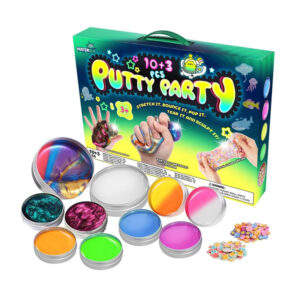
Putty Slime & Therapy Putty Kit by Waterelf
With a soft, moldable texture, this non-sticky putty can be squeezed, stretched, rolled, and shaped, offering a satisfying tactile feedback.
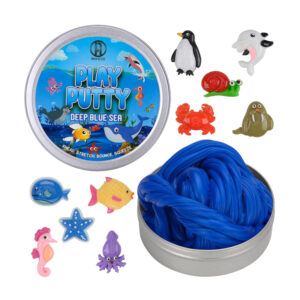
Deep Blue Sea Theraputty Medium Resistance
Recommended by occupational therapists, this therapy putty is ideal for adults and teens recovering from injuries or seeking a tactile way to relieve stress.
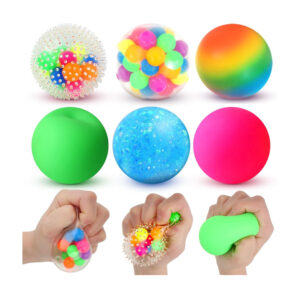
Squishy Sensory Stress Squeezing Balls Set of 6
The 6-Piece Water Bead Stress Relief Squeezing Ball Set is designed to provide a calming, tactile experience for kids and adults alike.
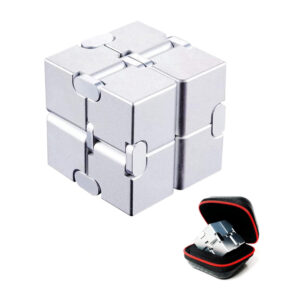
Aluminum Metal Infinity Fidget Cube
Crafted from high-quality aluminum alloy, this infinity cube offers smooth, continuous folding motion that creates a rhythmic fidgeting experience.
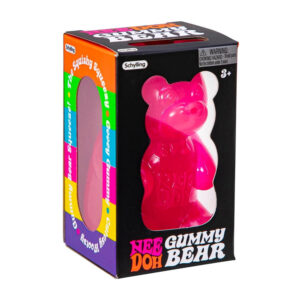
Gummy Bear Sensory Fidget Toy by NeeDoh
The Schylling NeeDoh Gummy Bear is a tactile sensory fidget toy designed to provide stress relief and promote focus. Shaped like a classic gummy bear.
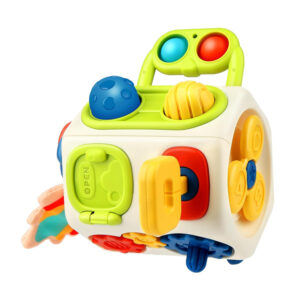
Vanmor 10-in-1 Busy Cube for 18+ Months
The Vanmor Montessori Busy Cube for Toddlers is an 8-sided hands-on sensory toy designed to support early learning through play.
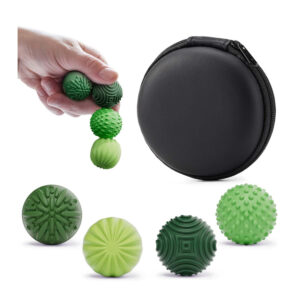
Silicone Magnetic Balls Fidget Toys
The luckdoor Silicone Magnetic Fidget Toy combines tactile textures with magnetic interaction for a uniquely satisfying sensory experience.
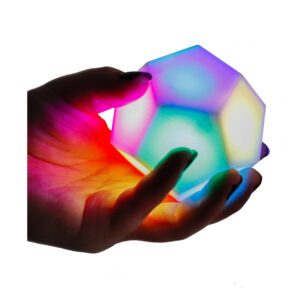
Light-up Electronic Fidget Toy by eFIDGET
This innovative toy features vibrant light displays, tactile feedback, and engaging sounds, making it an excellent tool for stress relief.
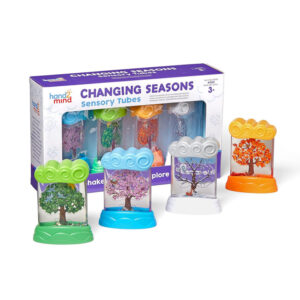
Hand2mind Changing Seasons Sensory Tubes
Each visual sensory set features four easy-to-grip, color-coded tubes representing a different season: spring, summer, fall, and winter.
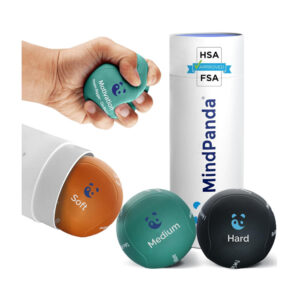
MindPanda Triple Density Empowering Stress Balls
These thoughtfully crafted hand therapy spheres combine tactile comfort, subtle aromatherapy, and motivational messaging.